Sprout Lines turns grid logic into a calm garden puzzle experience
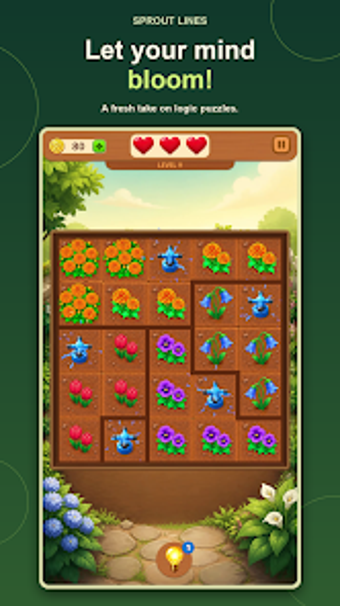
Place sprinklers on a grid so every row, column and enclosed garden bed has exactly one sprinkler, while avoiding diagonal adjacency. Sprout Lines, from Erp Aero, is an Android puzzle title that pairs classic grid logic with a garden growth motif. The app offers progressive difficulty, a relaxing visual theme, and short puzzles that suit casual players and fans of logic teasers seeking low-pressure sessions.
How the game frames its logic challenge
Sprout Lines draws on established grid puzzles such as Tents and Trees and Star Battle to structure its core challenge, asking players to satisfy placement constraints across rows, columns, and enclosed beds. The mechanics force spatial deduction rather than reflexes, and later stages increase constraint interactions so puzzles demand multi-step reasoning and pattern recognition rather than single-move guesses.
What modes and pacing shape play sessions
The game presents a non-competitive, relax-at-your-pace experience focused on single-player puzzles, which suits brief play sessions and deliberate problem solving. Levels progress in difficulty, introducing more complex garden layouts and tighter constraint overlap. Matches are self-contained puzzles rather than timed rounds, so the emphasis stays on methodical solving and incremental mastery rather than score-chasing or multiplayer pressure.
Presentation, accessibility, and technical footprint
Presentation uses a garden-themed aesthetic and calming visuals to mark progress as sprouts bloom on solved levels, reinforcing a steady mood. The app targets Android devices and requires Android 5.0 or later for optimal performance. Content is rated Everyone, making it accessible to children and adults, and the developer’s history with puzzle titles suggests consistent design conventions carried across their portfolio.
Recommended for thoughtful puzzlers who enjoy short, calm sessions
Sprout Lines suits players who prefer deduction-based puzzles and relaxed pacing, especially those who like logic puzzles inspired by classic grid rules. Expect steady escalation in complexity and no competitive features; this makes the game a focused brain-teaser rather than a social or action experience. Try it when you want a quiet, single-player logic workout.